Romanisti · Observation
The Darling of Mankind
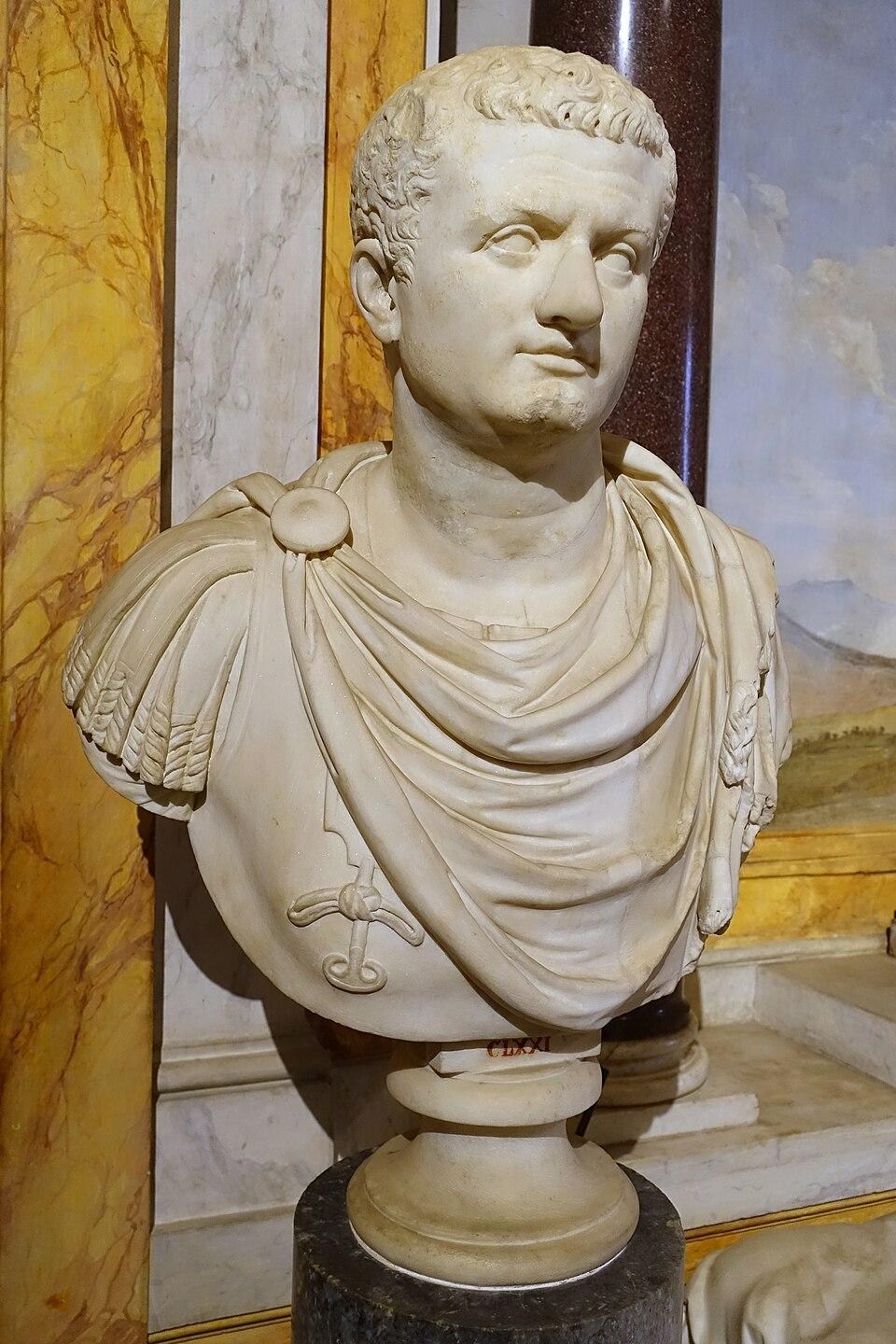
Titus came to Rome's throne with a reputation to dread. In two years of catastrophe, the city came to remember another emperor.
By the time Titus Flavius Vespasianus became emperor of Rome in the summer of 79 CE, a fair portion of the city had already decided, quietly or not so quietly, that his reign would be one to dread.
The reasons were specific rather than vague. Acting as an unofficial enforcer for his father, the emperor Vespasian, Titus had developed a reputation for accepting bribes and selling his influence, a reputation Suetonius records as well established rather than as idle rumor. He was also suspected of riotous living, keeping company deep into the night with the most extravagant of his friends, and maintaining a household that was the subject of its own gossip. These were not the qualities Rome hoped to discover in a future emperor.
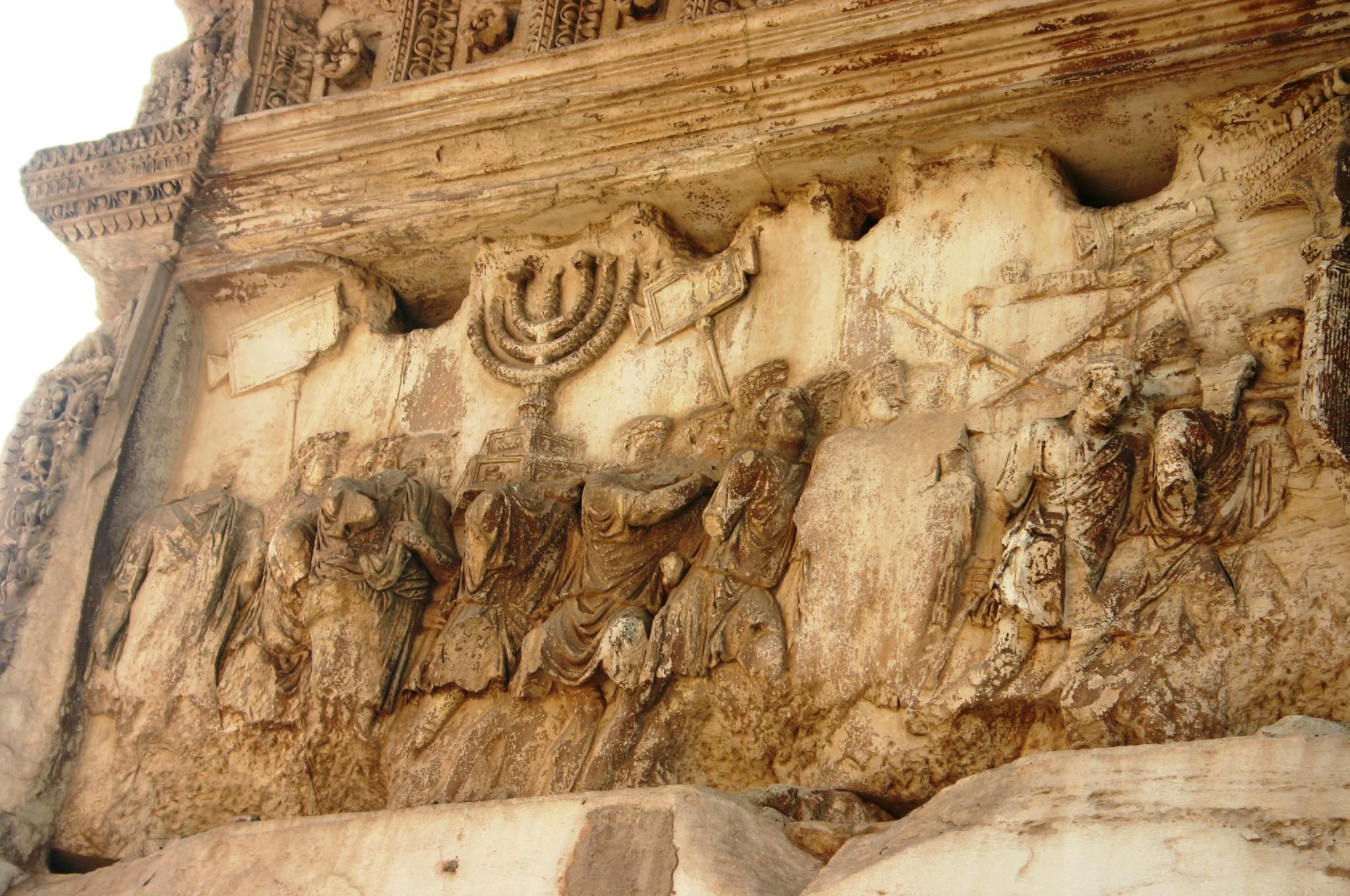
Separately, and more publicly, Titus had commanded the brutal final campaign against the Jewish revolt, culminating in the siege and destruction of Jerusalem and its Second Temple in 70 CE. The war had begun under Nero, and the decision to suppress the revolt had not been Titus’s to make. Yet the conduct of the siege was his responsibility, and its devastation was considerable. Rome celebrated the victory, commemorating it afterward in the Arch of Titus, which still stands near the Roman Forum. The monument celebrated the triumph of an empire. It had little to say of those who had suffered its conquest.
Between the suspected corruption and the memory of that campaign’s violence, Suetonius reports, people did not merely wonder about Titus privately. They declared openly that he would prove to be a second Nero, the single ugliest comparison available to a first-century Roman, invoking a name synonymous with cruelty, vanity, and catastrophic misrule barely a decade in the past. Suetonius goes further, suggesting that hardly anyone had ever come to the throne with so poor a reputation or so thoroughly against the hopes of those around him.
Almost everyone, by his account, turned out to be wrong.
His reign lasted barely two years, two months, and twenty days, a short span of time asked to absorb an unusual concentration of catastrophe.
Within his first several months in office, Mount Vesuvius erupted, burying Pompeii and Herculaneum and devastating the wider region around the Bay of Naples. Traditionally dated to August 24, 79 CE, the eruption has also been placed in autumn on the strength of archaeological evidence, including a charcoal inscription dated October 17. The precise date remains disputed, but the scale of the destruction does not.
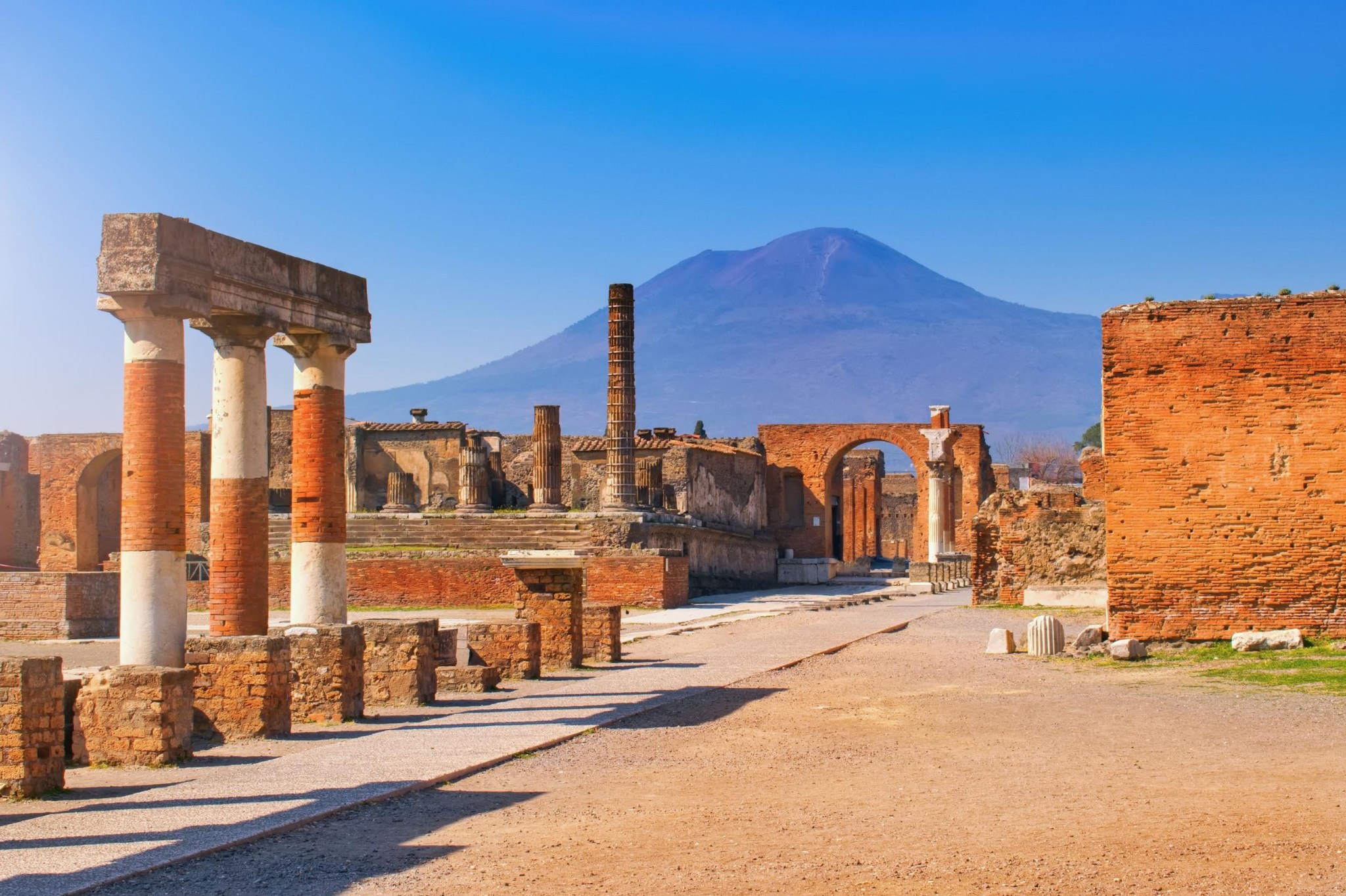
Titus personally traveled to the disaster zone, organized relief efforts, and, according to the ancient accounts, drew on his own resources alongside public funds to aid the survivors. It was an early test of a ruler whom Rome had expected to govern for his own benefit. Instead, the emperor was remembered for directing the resources of his office toward people whose homes, livelihoods, and communities had disappeared beneath the ash.
The following year, in 80 CE, a major fire tore through Rome itself for three days and nights. Cassius Dio records a long list of public buildings lost in the blaze, among them Agrippa’s Pantheon and parts of Pompey’s Theatre, though the fire did not reproduce the devastation of the dense residential districts that Nero’s fire of 64 CE had consumed a generation earlier. Titus again funded relief personally.
A severe plague followed close behind the fire, one Suetonius describes as among the worst Rome had seen. The emperor is recorded as having employed every means available to him, medical and religious alike, against it.
Within two years, the new emperor had faced a volcanic eruption, a great urban fire, and an epidemic. Each disaster arrived before the previous one had entirely receded. None had been of his making. All had become his responsibility.
The disasters were not the only front on which Titus worked to overwrite his own reputation.
Almost as soon as he took power, Titus sent Berenice, the Judean queen he had reportedly promised to marry, away from Rome. The separation was against both their wishes, but public opinion would not accept her presence at his side. Even as emperor, Titus found that the expectations of Rome could demand a sacrifice his extraordinary authority could not prevent.
He also moved against the delatores, the professional informers whose accusations had terrorized Rome’s elite under previous emperors. According to Suetonius, Titus publicly punished and expelled them, refusing to perpetuate the machinery of political denunciation that had made imperial favor so dangerous a thing to lose. This was a repudiation of the kind of rule Rome had feared from him. A man suspected of abusing his influence before taking power appeared determined to restrain its abuse once he possessed it.
At dinner one evening, realizing he had granted no one a favor that entire day, Titus is said to have remarked, memorably, “Friends, I have lost a day.” When his own advisers warned that he was promising more than he could deliver, his reported answer was that no one should leave an audience with their emperor disappointed.
These anecdotes come to us through Suetonius, whose biographies were as concerned with the character of emperors as with the events of their reigns. They should not be mistaken for transcripts of private conversations. Yet their survival is revealing. The emperor once expected to take whatever he wanted had become, in the telling of his biographer, a man troubled by the possibility that he had given too little.
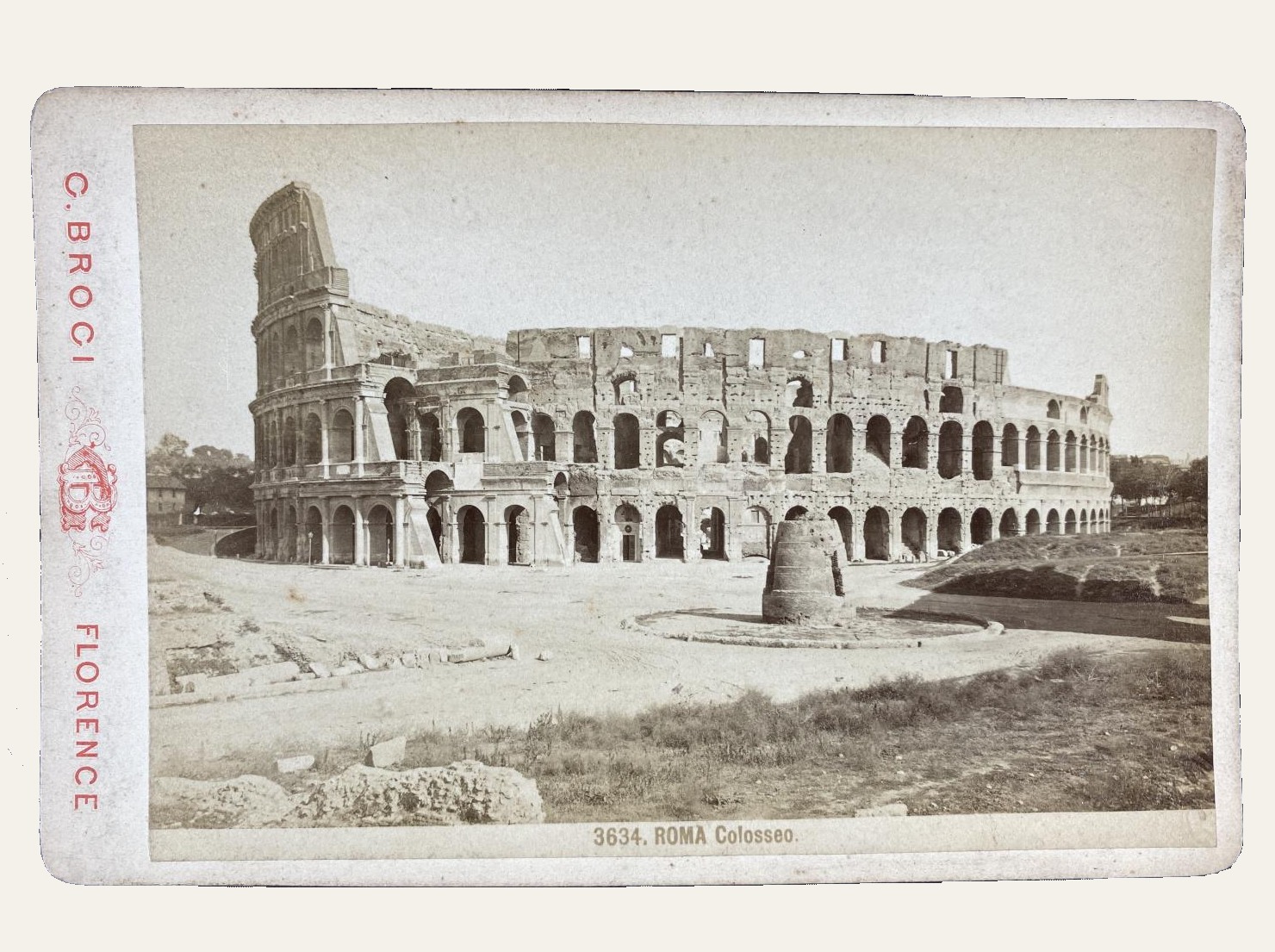
In the middle of this unbroken sequence of disaster and deliberate reinvention, Titus also completed and formally dedicated the great amphitheatre his father had begun, opening it with a hundred days of inaugural games in 80 CE.
History remembers that building today as the Colosseum.
There is an irony in the name. It derives from the colossal statue originally erected in Nero’s likeness, later transformed into an image of the sun god. The amphitheatre itself rose on land once occupied by Nero’s extravagant palace complex, reclaimed under the Flavians for public use. Centuries later, the name of the statue became attached to the building.
The emperor once feared as another Nero had left behind a monument bearing an echo of Nero’s name.
The amphitheatre was built to outlast its makers, as Roman monuments so often were. Titus would live only another year.
By the time he died suddenly in September 81 CE, at the age of forty-one, the reputation that had preceded him into office had been almost entirely overwritten in the account that survived. The circumstances of his final illness remain uncertain. Later tradition entertained the possibility that his brother and successor, Domitian, had poisoned him, but the allegation remains speculation rather than established fact.
Suetonius, writing within a few decades of his death, called him amor ac deliciae generis humani, the love and darling of the human race, and noted, with something close to open astonishment, that a man who had been resented and openly criticized as a private citizen became remarkably difficult to fault once he actually held power. The Senate deified him afterward, an honor that confirmed the favorable official memory of his reign.
The surviving account is not without its complications. Suetonius was writing a biography, not delivering an impartial judgment, and the generosity associated with Titus’s rule does not erase the destruction of Jerusalem or settle every accusation concerning his earlier conduct. His reputation was transformed, but the historical record is not thereby made simple.
There is something familiar in this story to those who follow calcio in Rome. Reputations arrive before the people who must live with them, assembled from genuine incidents, incomplete knowledge, and fears that are not always unreasonable. Judgments are made long before responsibility offers its own evidence. Yet it is often in the difficult moments, when circumstances leave little room for promises or appearances, that the measure of a person becomes clearer.
Titus inherited those doubts. What followed did not erase the violence of his military career or settle every accusation concerning his earlier conduct. But it gave Rome reason to reconsider the emperor it had expected. History remembers him not for a promise made before Vesuvius erupted, but for what he was said to have done in the months that followed.
There is no need to imagine a perfect emperor to recognize the transformation. The ancient accounts leave room for uncertainty, as they so often do. What survives is the remarkable contrast between the man Rome feared and the ruler its principal biographer came to celebrate.
Rome has known many rulers who confirmed the worst suspicions held about them. Titus, at least in the memory that survived him, belonged to the rarer category.
Rome had expected another Nero. It mourned the darling of mankind.